





6 Inside + Outside Habits for Calm, Happy Skin
There's a lot of noise in the skincare world. New products, new ingredients, new routines promising transformation. But if your skin is chronically inflamed, reactive, or just never quite settled, the answer usually isn't adding more. It's stepping back and looking at the full picture: what you're putting on your skin, and what's happening inside your body.
Before you dig into this post, if you want to read more about our founder's skincare journey, you can read: Everything You Need To Know About Rosacea.
These six habits are the ones we keep coming back to. They're not complicated. They're not expensive. And they work together in a way that no single serum ever could.
Inside: What You Do for Your Body
1. Support Your Gut Microbiome
Our co-founder Joy is a holistic nutritionist, and this is something she comes back to constantly: your skin is often a reflection of what's happening in your gut. When your digestive system is inflamed or imbalanced, that inflammation finds its way to the surface.
Your gut microbiome: the diverse community of bacteria living in your digestive tract — plays a major role in regulating immune function and systemic inflammation, both of which directly affect your skin. Supporting it is one of the highest-leverage things you can do for calm, clear skin.
A few simple places to start:
- Start your morning with warm water and lemon. Add a pinch of sea salt or a few drops of a mineral electrolyte. This gently stimulates digestion and helps your body hydrate properly after sleep.
- Aim for a serving of vegetables or fruit at every single meal. Colours matter here: sweet potatoes, pears, apples, berries, leafy greens. These feed the beneficial bacteria in your gut and provide fibre that keeps everything moving.
Add fermented foods where you can. Some easy options:
- Lacto-fermented sauerkraut or kimchi
- Kombucha (check the sugar content on store-bought brands)
- Coconut kefir
- Apple cider vinegar
- Miso
- Sheep or goat yogurt (especially good for acne-prone skin)
- One important note when shopping: look for unpasteurized fermented foods. The pasteurization process destroys the live bacteria — which is the entire reason you're eating them.
2. Take Your Omega-3s Every Single Day
Omega-3 fatty acids are foundational for skin health, and most of us aren't getting enough of them. They help maintain the integrity of the skin barrier, reduce inflammation, and support the kind of balanced, calm skin that actually holds moisture.
A high-quality fish oil taken daily is one of the simplest and most well-supported habits for skin health. Look for one with a high EPA and DHA concentration and make it a non-negotiable part of your morning.
Beyond supplements, build good fats into your meals. Fatty fish like salmon and sardines, walnuts, avocado, chia seeds, and flax because these all contribute to the same goal. What you eat consistently matters far more than any individual "superfood."
Skin that's chronically dry, dull, or reactive often responds well to simply getting more of these fats. It's not glamorous advice, but it works.
3. Protect Your Sleep
 This one keeps coming up because it has to. Sleep is when your body produces growth hormone, which is responsible for cellular repair, including skin repair. It's when inflammation settles, cortisol drops, and your skin actually has the chance to recover from the day.
When you're chronically underslept, inflammatory markers stay elevated. Skin looks puffy, reactive, and dull. And the hormonal cascade that follows, elevated cortisol, increased appetite for sugar and refined carbohydrates. All of which creates conditions that are the opposite of what calm skin needs.
The target is seven to nine hours. A consistent bedtime matters more than most people think. A wind-down routine that lowers cortisol before you get into bed, whether that's a warm shower, reading, a cup of herbal tea, or simply stepping away from screens, makes a genuine difference in sleep quality.
Good sleep is not a luxury. For your skin, it's a non-negotiable.
Outside: What You Do for Your Skin
4. Less Is More (Your Skin Barrier Will Thank You)
Your skin barrier is exactly what it sounds like: a protective layer that keeps moisture in and irritants out. It's made up of skin cells held together by lipids, and living on the surface is an entire community of microbes that work as part of your skin's defence system. This is your skin microbiome, and it is doing a lot of heavy lifting on your behalf.
The problem? Most of us are disrupting it without realizing it.

Over-cleansing, over-exfoliating, and layering too many products can strip away the very things your skin needs to stay healthy. Here's what happens:
- Harsh cleansers dissolve the lipid layer.
- Aggressive exfoliation removes cells faster than your skin can regenerate.
- Piling on multiple active ingredients actually suffocates the microbial community your barrier depends on.
When skin is flaring, whether it's acne, eczema, rosacea, or general reactivity, what it's actually craving is less. Fewer products. A consistent, gentle routine. Space to regulate and repair.
This is exactly why skinimalism isn't just a trend. It's what your skin is genuinely asking for.
A gentle daily cleanser used once a day (at night, to remove what the day left behind) is almost always enough - meaning, skip the morning cleanse. Save the exfoliation for one or two times a week, and only when your skin is calm. When in doubt, simplify.
5. Make Your Nighttime Routine Count

Your skin does its most significant repair work while you sleep, for example:
- Cell turnover increases
- Collagen production ramps up
- The skin's barrier function works to recover from whatever the day throws at it
What you apply before bed has a real opportunity to absorb deeply and support that overnight process.
Here's a simple routine that lets your skin do its thing:
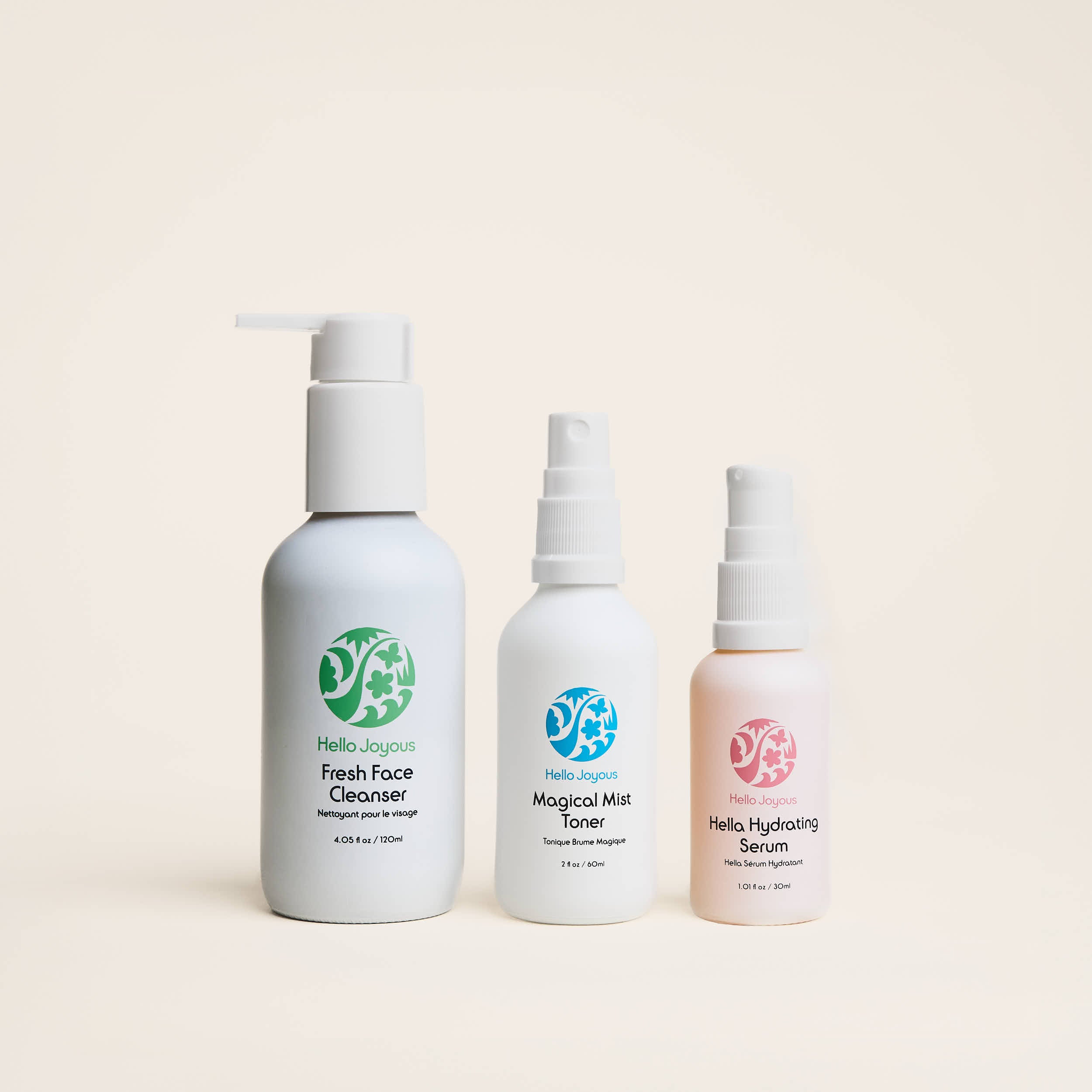
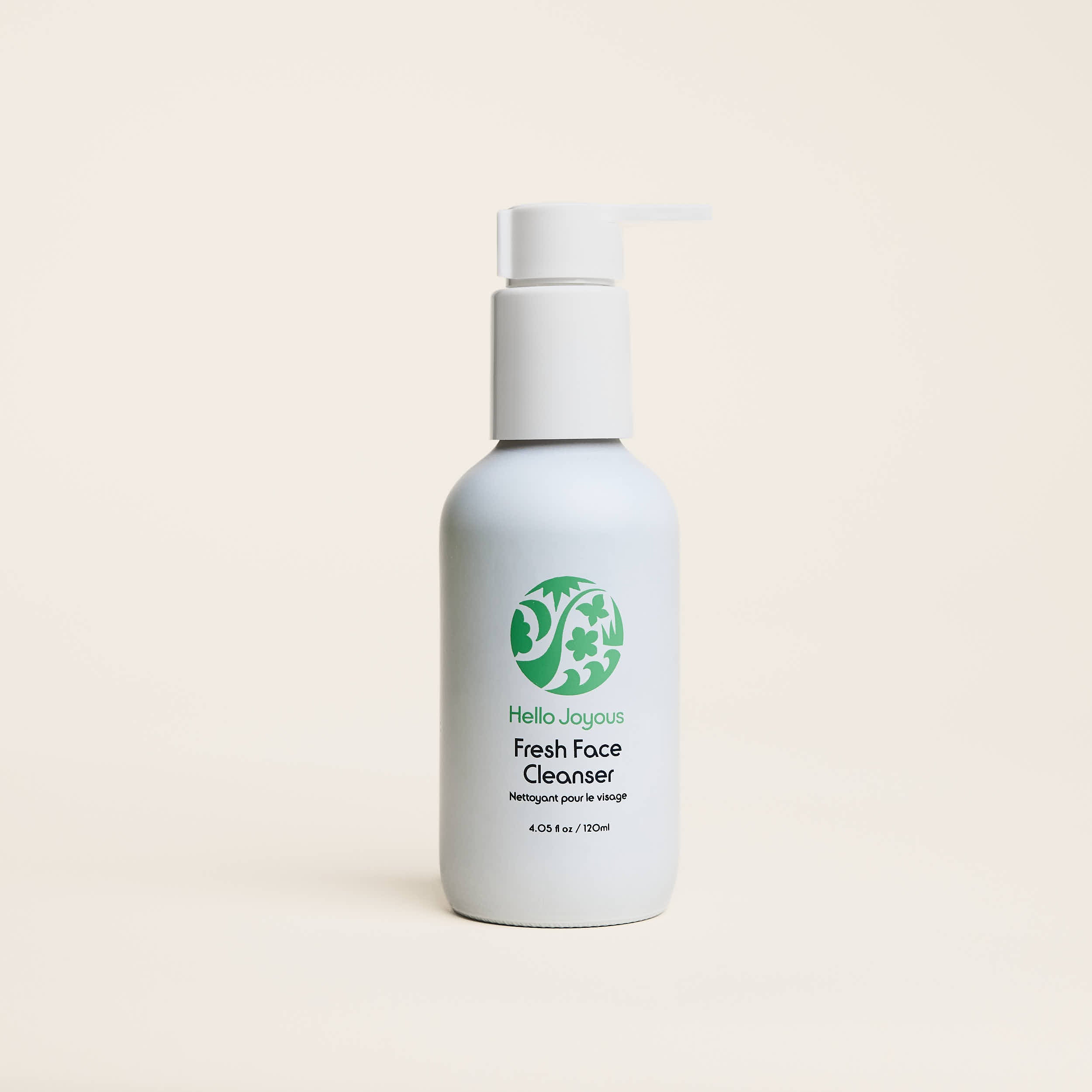
- Start with a gentle cleanse using the Fresh Face Daily Cleanser to remove the day — makeup, SPF, pollution — without stripping your skin.
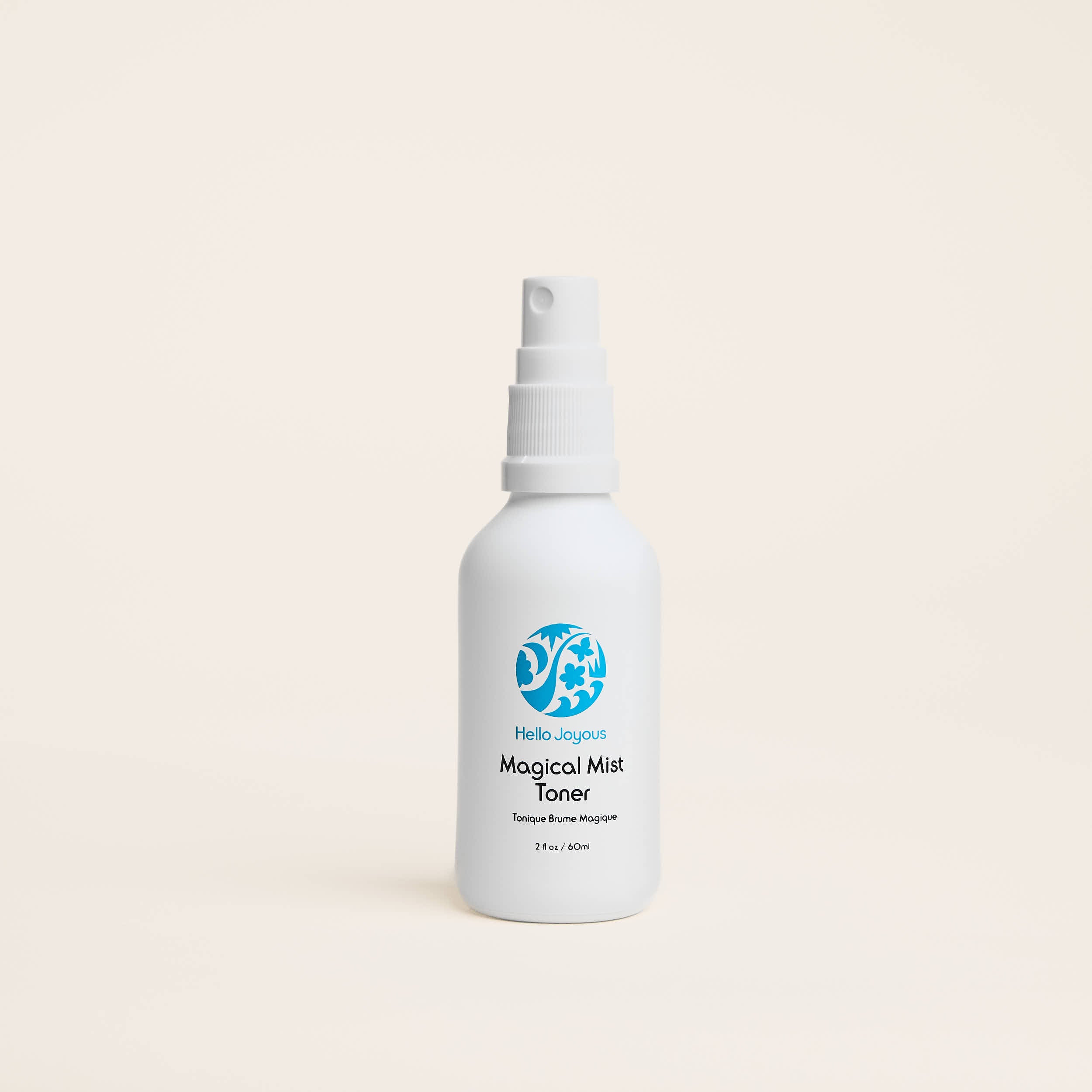
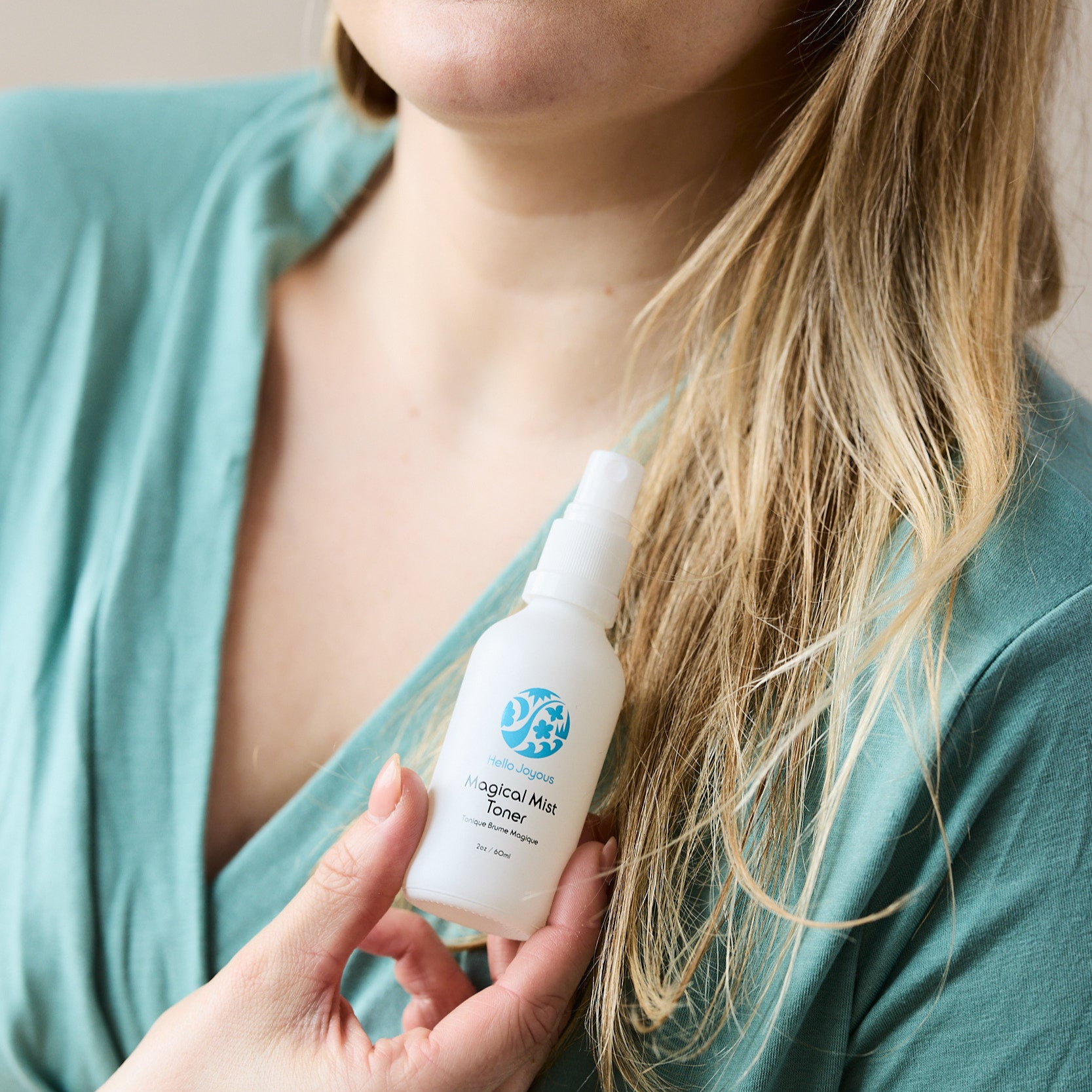
- Follow immediately with your Magical Mist Hydrosol Toner. If your skin is inflamed or reactive, keep the Magical Mist in the fridge. A cool mist on irritated skin is genuinely soothing and helps calm redness before it escalates.
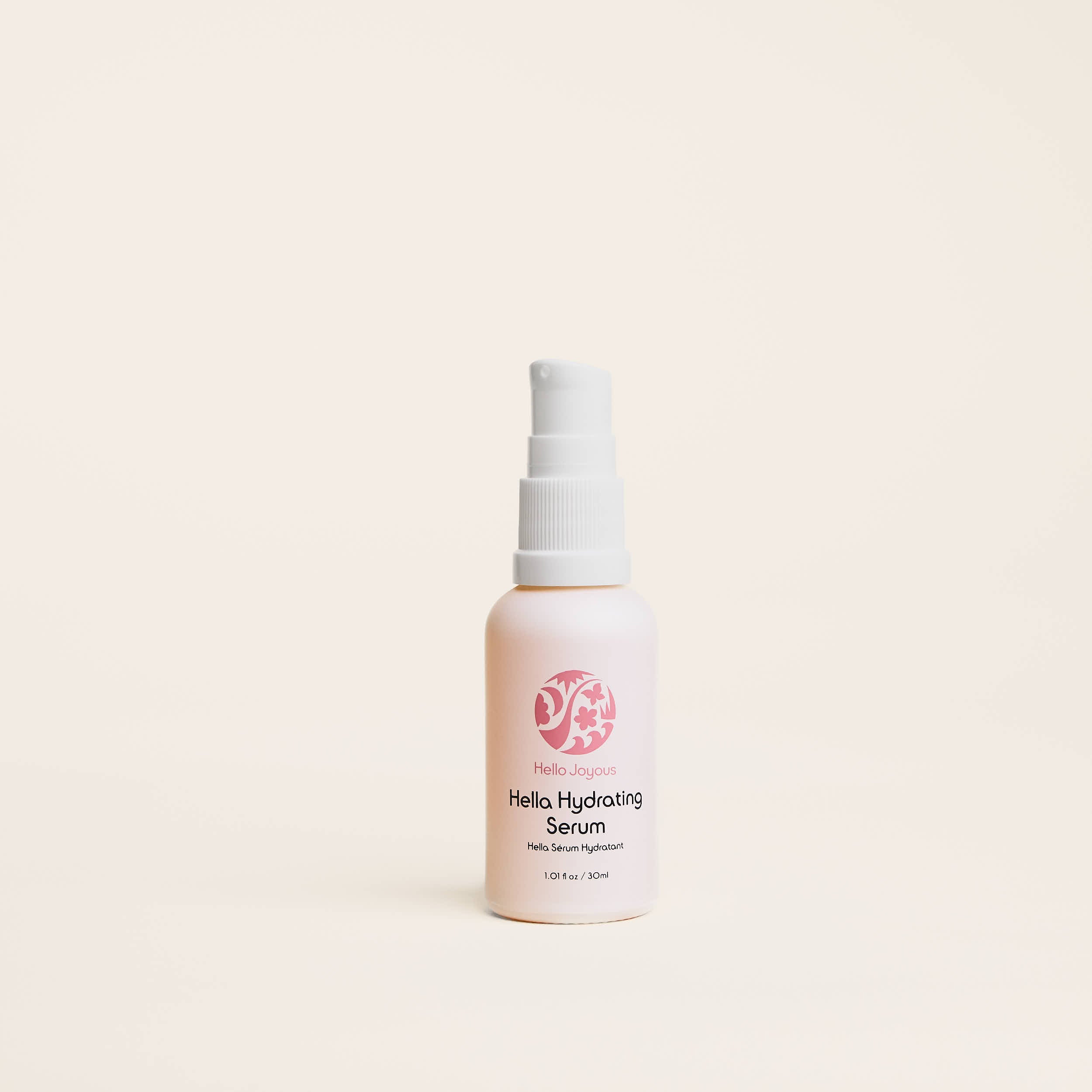
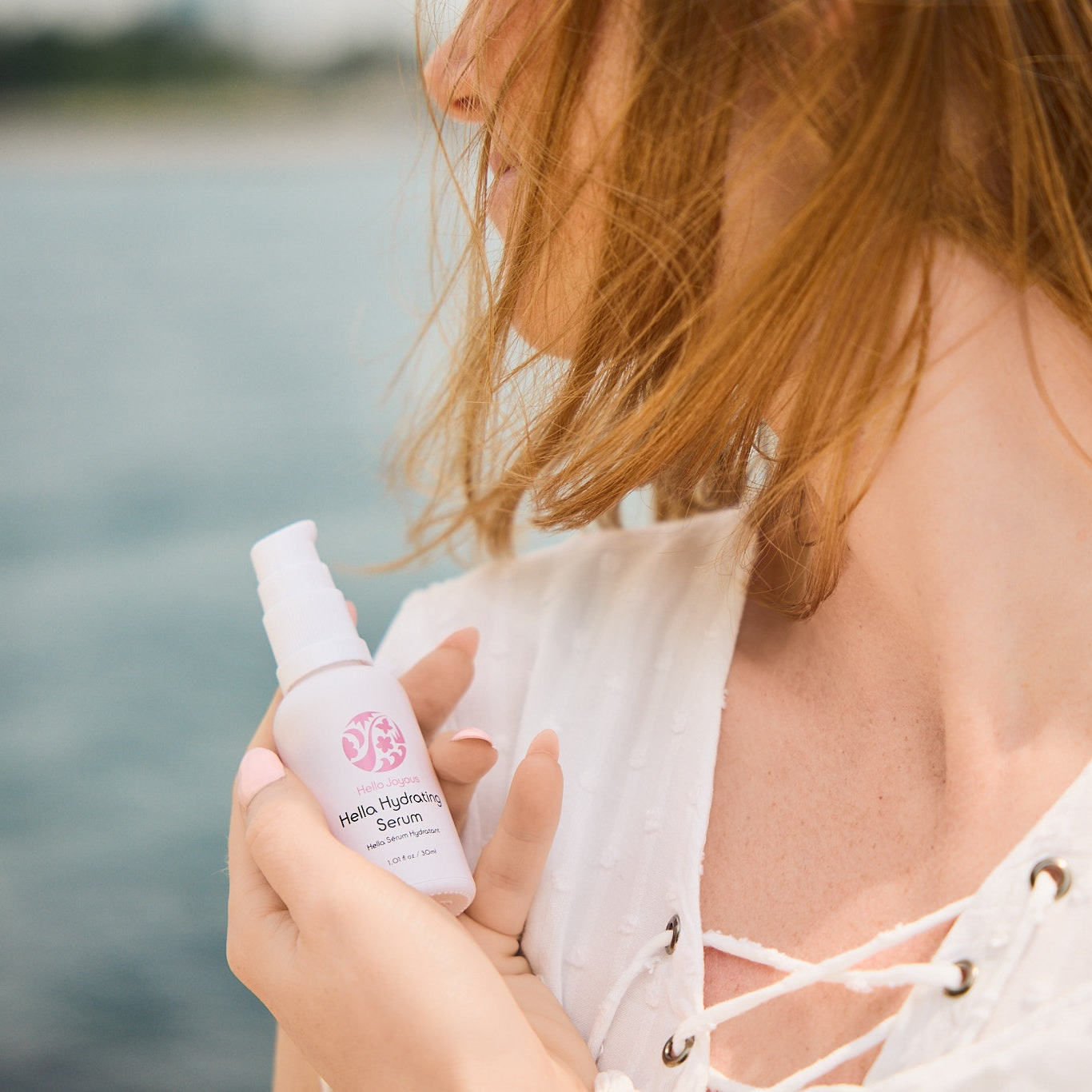
- Then apply your Hella Hydrating Serum. The combination of hyaluronic acid (which draws moisture into the skin) and rosehip oil (which locks it in) means the serum can absorb fully overnight and work in sync with your skin's natural repair cycle. You'll notice the difference in the morning.

That's it. Three steps. No stacking, no layering six products. Your skin barrier stays intact, your microbiome stays balanced, and your skin gets the conditions it needs to recover.
6. Wear Sunscreen, But Don't Fear the Sun
This one deserves some nuance, because the conversation around sun exposure has become more black-and-white than it needs to be.
Prolonged sun exposure without protection is genuinely damaging — it accelerates aging, disrupts the skin barrier, and increases inflammatory responses. This is not up for debate. A mineral-based sunscreen (look for zinc oxide paired with titanium dioxide - less white cast) worn whenever you're spending real time outdoors is always a good idea.
But a little unprotected sun? That's actually beneficial. Brief, moderate sun exposure triggers nitric oxide production in the skin, supporting cardiovascular health and exerting anti-inflammatory effects throughout the body. Morning or late-afternoon light — when UV index is lower — is where you get the benefit without the damage. It also stimulates vitamin D synthesis, which plays a role in immune function, skin cell turnover, and regulating inflammation.
Know your skin. There's a real difference between a short morning walk and spending three hours at the beach. Give yourself the former freely, protect yourself thoughtfully during the latter.
Putting It Together
Calm skin isn't the result of finding the right product. It's the result of building the right conditions - inside and out - for your skin to do what it's designed to do.
Less on the skin. More in the body. Consistency over complexity.
That's skinimalism in practice, and it's where real results live.