



Chapped Skin Isn’t Just Dry, It’s a Barrier Issue
If your hands sting, your lips keep cracking, and your cheeks feel tight and irritated no matter how much moisturizer you apply, it doesn't cut it. Chapped skin is one of the most common winter (and transitional season) complaints, and it’s often misunderstood.
Here’s the truth: chronically chapped skin isn’t just lacking moisture. It’s telling you your skin barrier is compromised.

Understanding what’s really happening beneath the surface is the key to long-lasting relief.
What Causes Chapped Skin?
Your skin barrier (also called the moisture barrier) is made up of lipids — fats like ceramides, cholesterol, and fatty acids — that hold skin cells together and prevent water loss.
When this barrier is damaged, water escapes more quickly than your skin can replace it. The result?
-
Dryness that returns quickly
-
Flaking or peeling
-
Redness and irritation
-
Stinging or burning sensations
-
Skin that feels tight even after applying products
Common barrier disruptors include:
-
Cold outdoor air and dry indoor heating
-
Frequent hand washing and sanitizing
-
Wind exposure
-
Over-exfoliation or harsh cleansers
-
Retinoids or active overuse
-
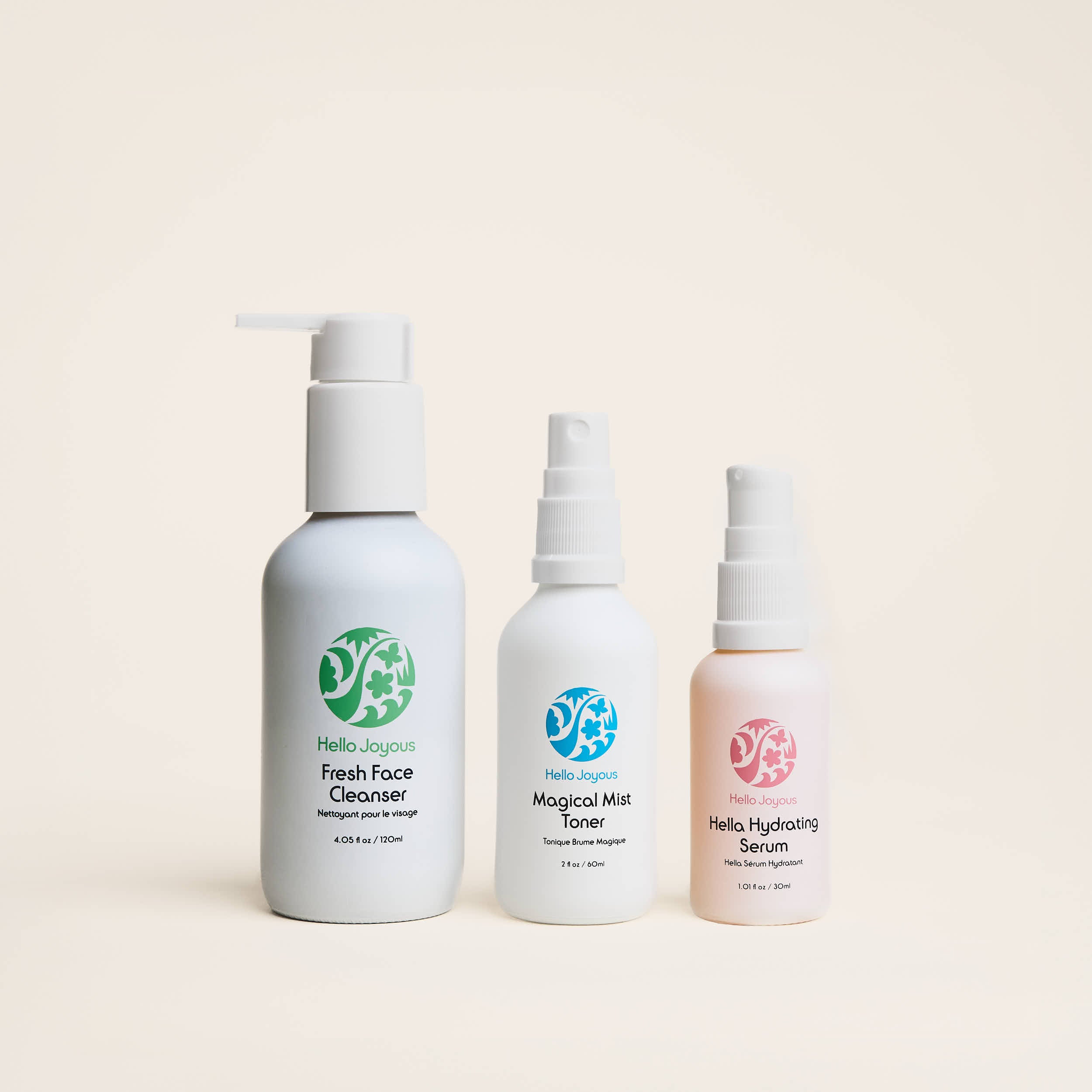
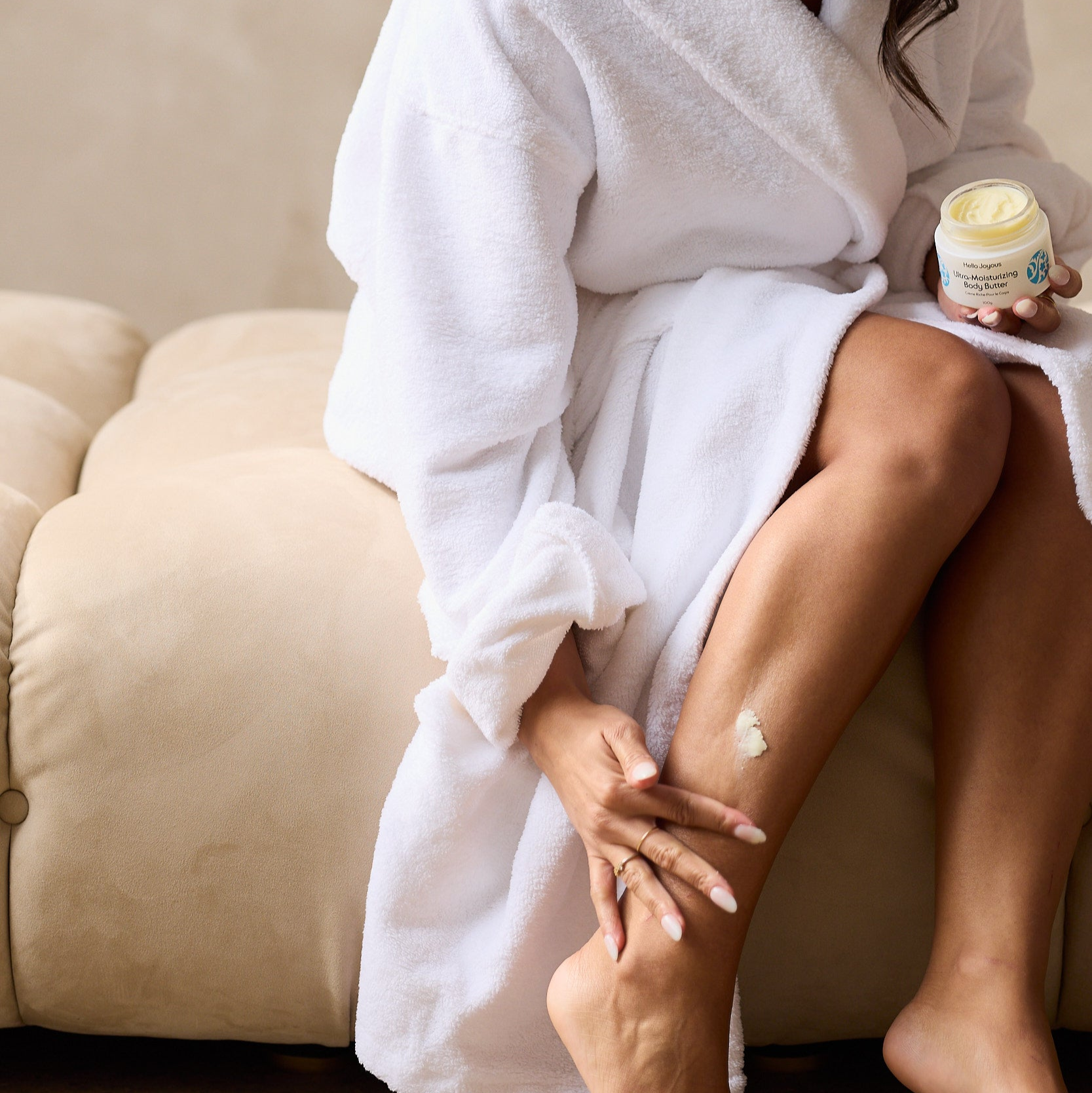
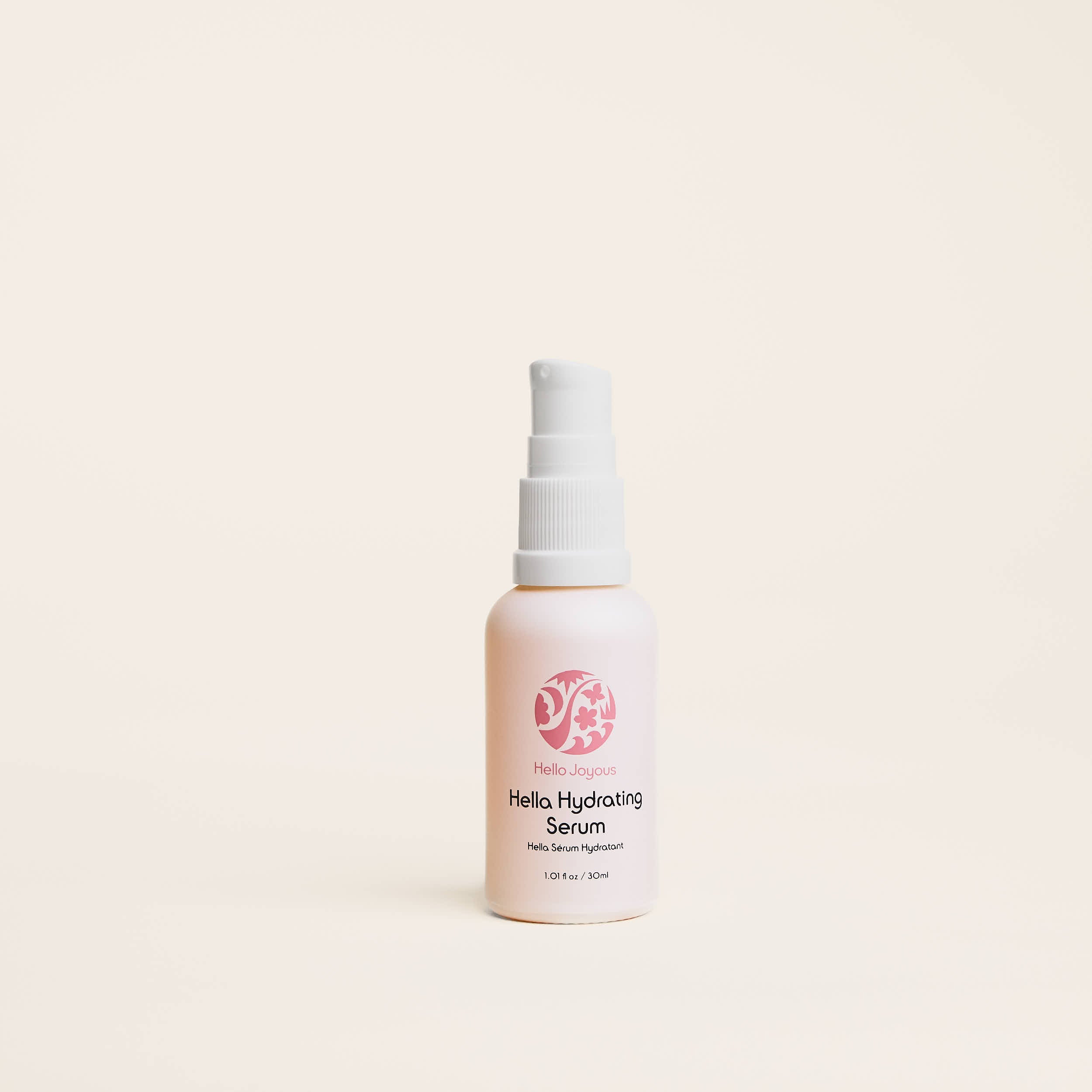
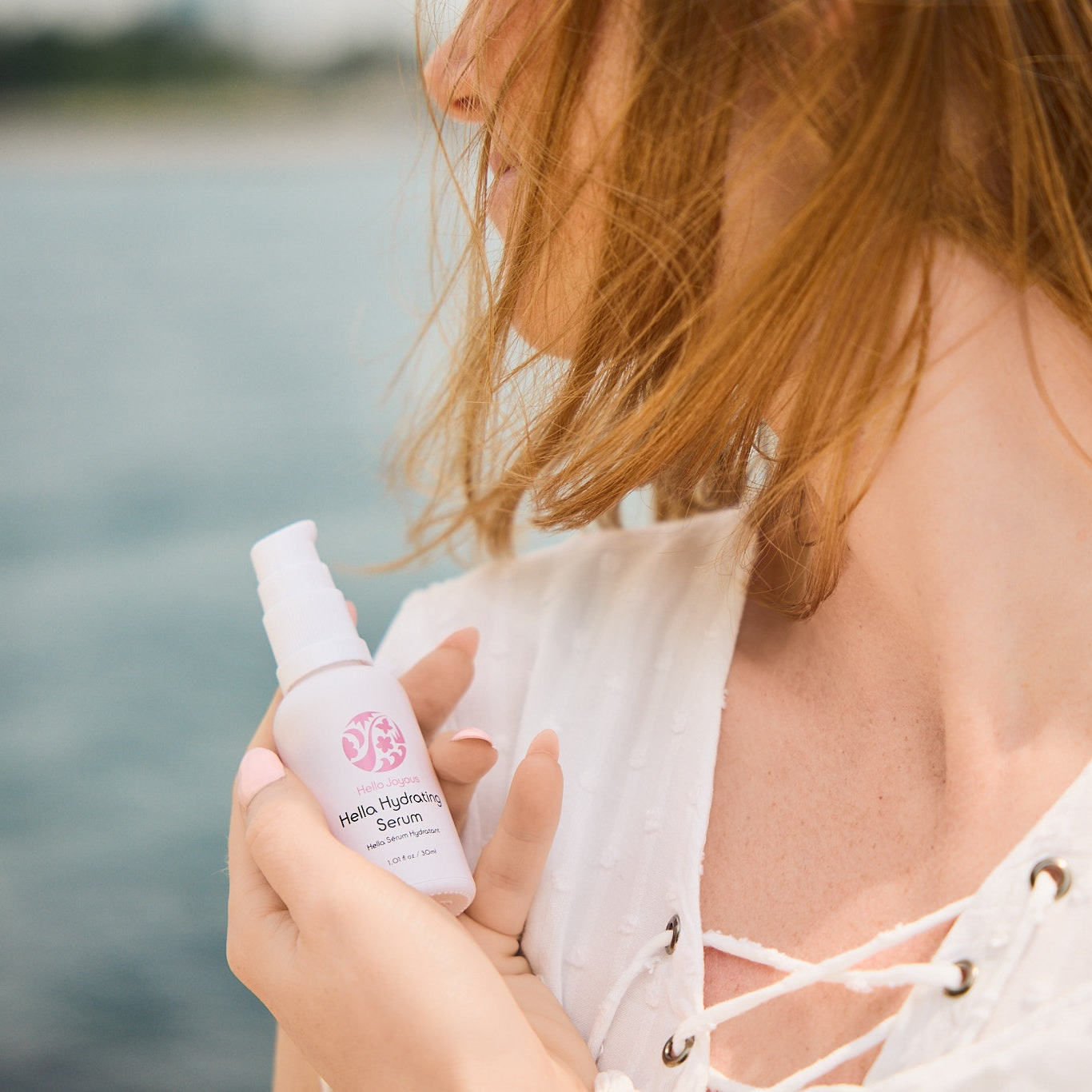
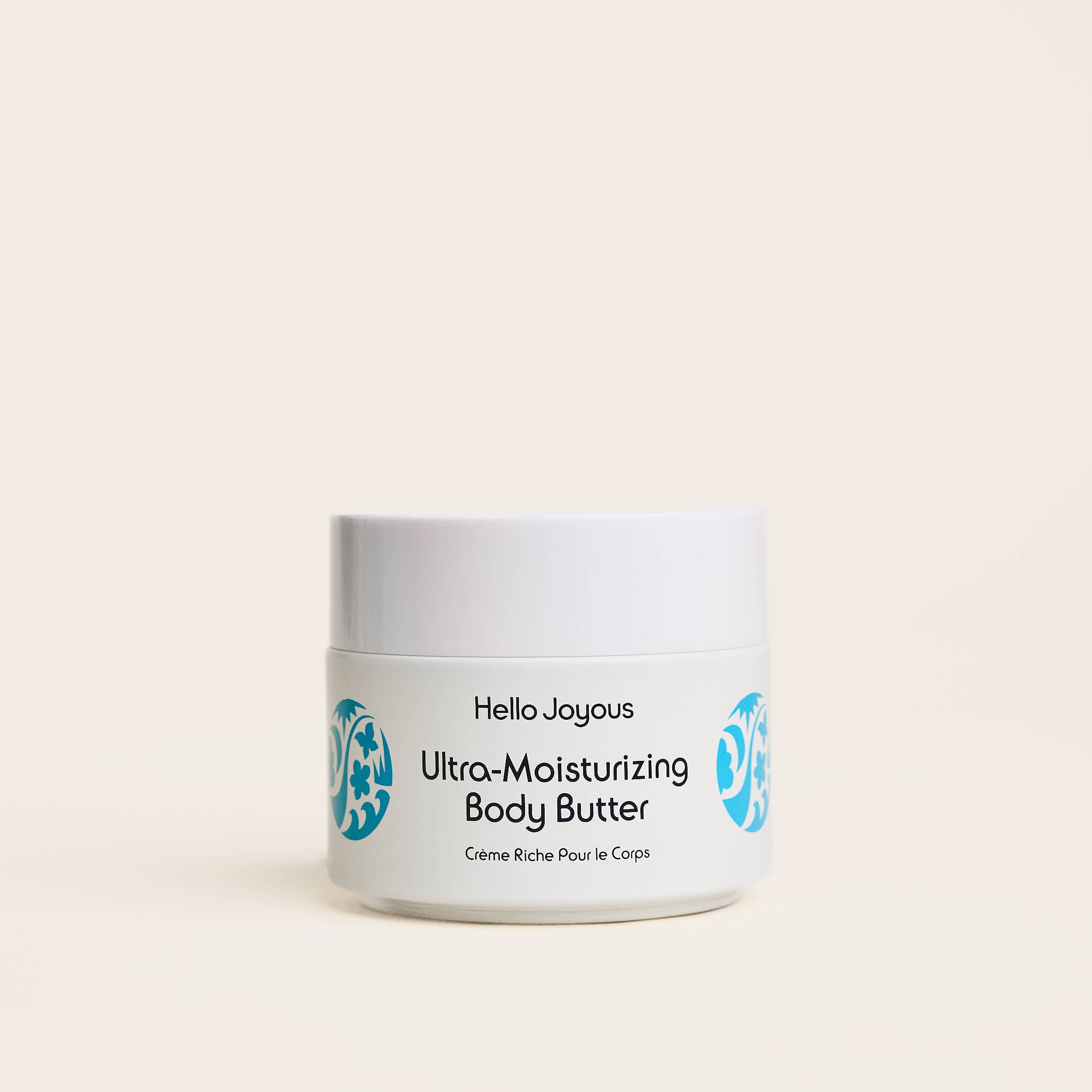
Lack of protective lipids in skincare, like you'll find in Hella Hydrating Serum and Ultra-Moisturizing Body Butter
This is why hands, lips, and cheeks are often the first areas to suffer — they’re either exposed constantly or naturally produce less oil.
Why Lotion Alone Often Isn’t Enough

Many conventional lotions are water-heavy. They may feel soothing at first, but without enough occlusive and lipid-rich ingredients, that water simply evaporates.
This can leave skin feeling:
-
Temporarily soft
-
Then drier shortly after
-
Dependent on constant reapplication
To truly heal chapped skin, you need more than hydration — you need barrier support.
What Heals Chapped Skin: Hydration + Lipids + Protection

Think of healing chapped skin in three steps:
1. Rehydrate
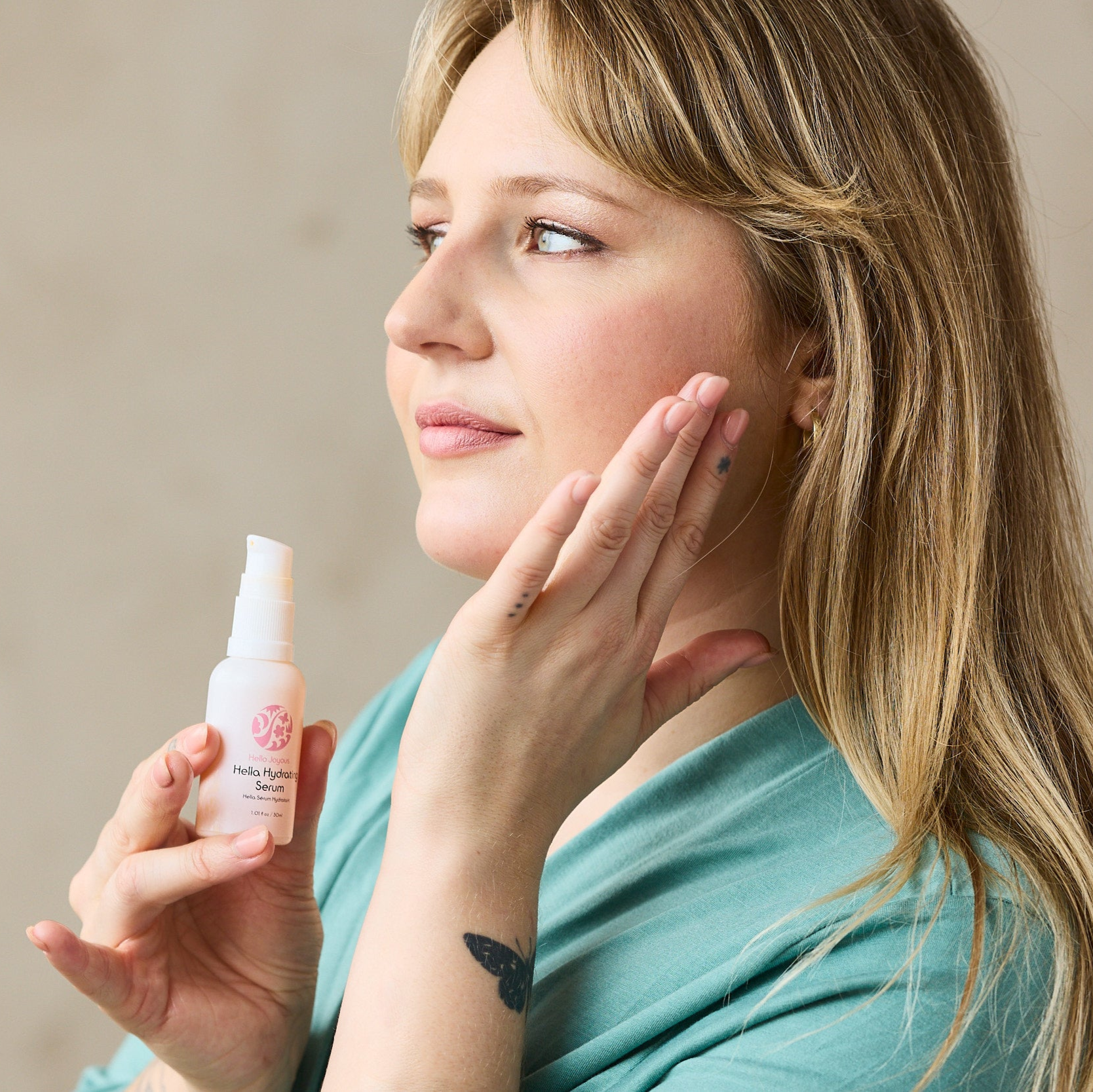
Skin needs water to function properly. Humectants like Hella Hydrating Serum help draw hydration into the skin.
2. Restore the Lipid Barrier
Lipids act like mortar between bricks, sealing hydration in and strengthening the barrier.
3. Protect While Skin Repairs
An occlusive layer like Ultra-Moisturizing Body Butter prevents further moisture loss and shields skin from environmental stress while healing occurs.
When all three are present, skin can finally repair itself — instead of staying stuck in a cycle of dryness.
Why Our Ultra‑Moisturizing Body Butter Works So Well

Our Ultra‑Moisturizing Body Butter was formulated with barrier repair in mind — not just surface softness.
It’s intentionally rich, because compromised skin needs protection and replenishment, not dilution.
How it supports chapped skin:
-
Deeply occlusive to prevent ongoing water loss
-
Lipid-rich to support the skin’s natural barrier
-
Helps calm irritation and visible redness
-
Creates a breathable protective layer without synthetic fragrance
Because of its barrier-supporting nature, many customers use it beyond the body:
-
As an intensive hand repair balm
-
As a cheek protectant against cold, wind, and dry air
-
As an overnight lip rescue treatment
A small amount warmed between the fingers and gently pressed into skin goes a long way.
How to Use It for Best Results

For severely chapped areas:
-
Apply to slightly damp skin to lock in hydration
-
Use as the final step in your routine
-
At night, apply a thicker layer to hands or lips for overnight repair
For prevention:
-
Apply before going outdoors in cold or windy weather
-
Use regularly on hands after washing
-
Press lightly onto cheeks as a protective winter shield
Consistency is key — barrier repair happens over time, not overnight.

Chapped skin is your body’s way of asking for support.
When you shift from constantly reapplying lightweight lotions to nourishing, lipid-rich barrier care, skin can finally calm down, hold onto moisture, and heal.
Read more

You might be wondering why a skincare brand is writing an article about stress! That’s because high levels of stress can directly impact the health of our skin, leaving us with dull complexions, da...
If you notice dry, itchy, or flaky patches popping up every winter, you’re not alone. Cold temperatures, low humidity, indoor heating, and hot showers all work together to pull moisture from our sk...